Running Beyond Limits
SCROLL TO EXPLORE


SCROLL TO EXPLORE
For many people, a marathon represents the pinnacle of endurance running. But ultramarathons are a different challenge altogether. Often held across remote, mountainous terrain, they require much more than fitness alone. Weather, navigation, nutrition, sleep deprivation, and decision-making all play a crucial role in determining success.
The Istria Ultramarathon by UTMB was no exception. The 168km course traversed Croatia’s Učka mountain range, challenging runners with almost 7,000m of elevation gain. The race began just before sunset in the medieval hilltop town of Labin, with hundreds of runners descending through its cobbled streets before heading into the mountains.
The first night was spent climbing and descending mountain peaks, including Mount Učka, the highest point on the Istrian peninsula. Running through the mountains in darkness brought its own challenges, with visibility limited to the beam of a headtorch. Yet this created a unique rhythm and focus, as runners concentrated simply on putting one foot in front of the other. Looking out from the summits, chains of headtorches could be seen stretching across the surrounding hillsides.
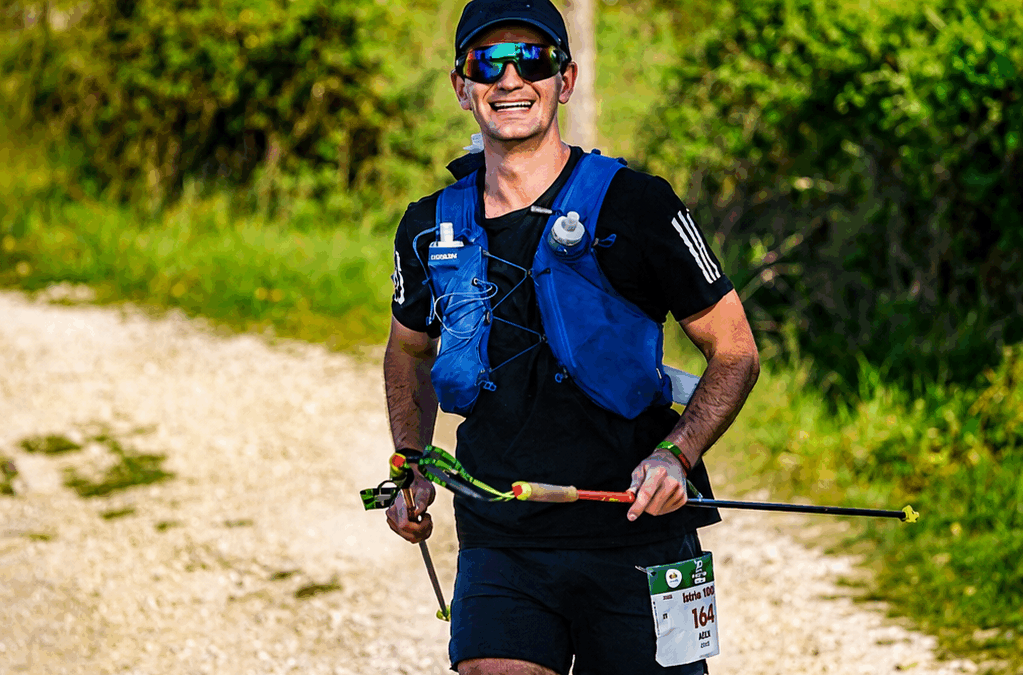
As the field spread out overnight, Alex spent long periods alone, broken only by aid stations every 25 kilometres offering water, bananas, and much-needed encouragement. After 70 kilometres of racing, the highest peaks had been conquered and he was still feeling relatively fresh. However, as every ultrarunner knows, the toughest moments are often still to come.
With sunrise came the longest descent of the race. While uphill sections demand effort, downhill running can be even more punishing, forcing tired muscles to absorb repeated impacts over thousands of metres of descent. By the 100km mark, blisters had become an increasing concern, while temperatures later climbed above 30°C with little shade available on the course.
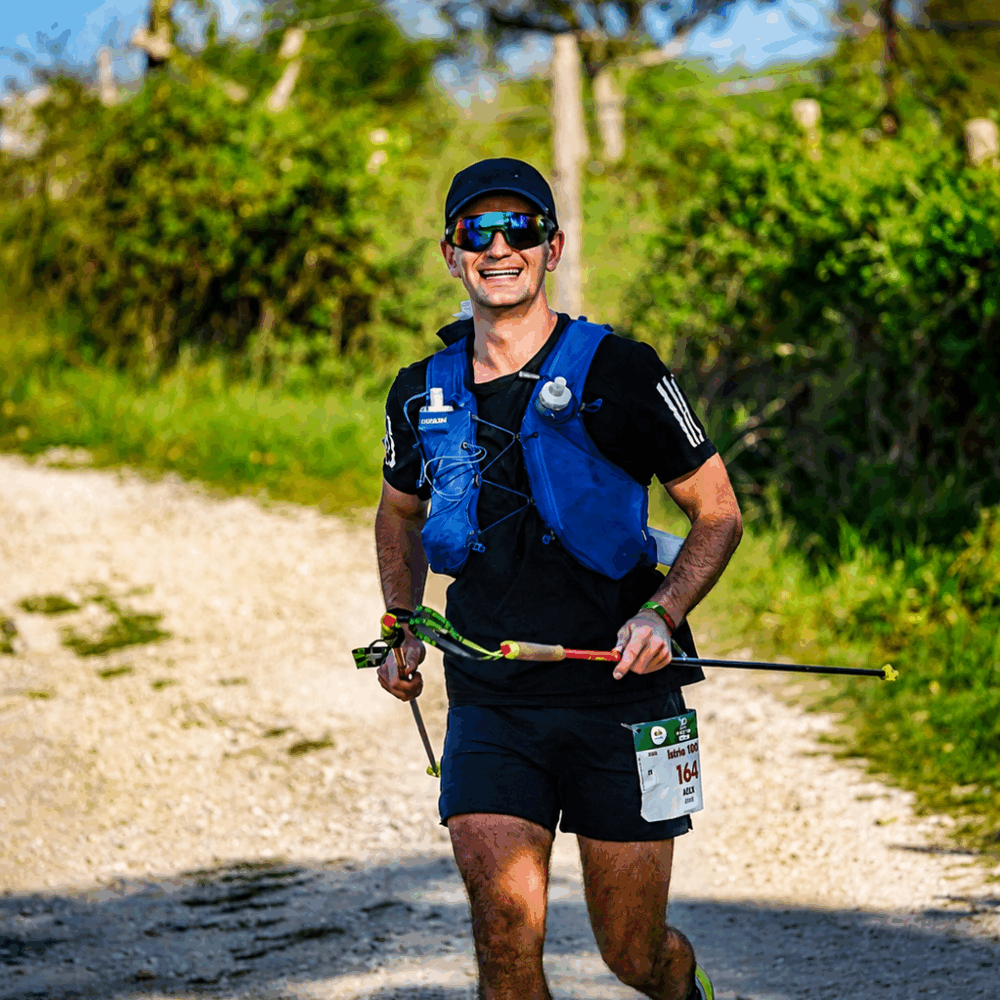
The route gradually left the mountains and forests behind, passing through lush valleys and historic hilltop towns. Despite mounting fatigue and discomfort, Alex continued to move steadily through the field, overtaking competitors as the finish drew nearer.
With just 20 kilometres remaining, the final climb revealed a view of the Adriatic Sea. From there, the finish line in the coastal town of Umag felt within reach. After 27 hours and 34 minutes of continuous effort, Alex crossed the line in an impressive 50th place.
Reflecting on the experience, Alex described ultrarunning as far more than a physical challenge. It strips life back to its essentials, food, water, warmth and movement, and becomes a continuous series of decisions about how to keep moving forward. Those decisions test resilience, discipline and perseverance in ways that are difficult to replicate elsewhere.
The Luna Hu Memorial Travel Award for Ultra-Endurance Sports made this experience possible, enabling Alex to pursue an ambitious goal, compete on an international stage, and develop skills and confidence that will endure long after the race itself.